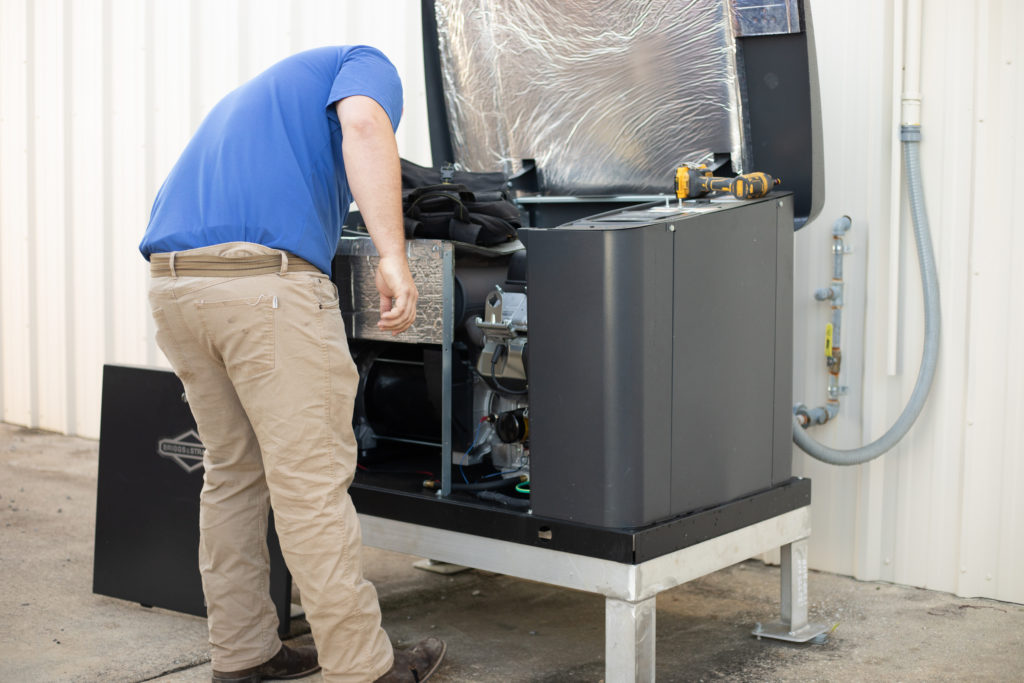
When planning to buy a home generator, there are several key factors to consider to ensure it meets your needs. In this comprehensive buying guide, we’ll outline what you should look for in a home generator.
Firstly, identify the type of generator that suits your needs best. There are two main types:
- Standby Generators: These generators can provide power automatically and instantly in case of a power outage. They’re typically powered by natural gas or propane and require professional installation.
- Portable Generators: These generators are cheaper and more versatile but need to be manually set up during a power outage and require regular refueling.
Exploring Kohler Generators in San Francisco, CA
The size of the generator is determined by the amount of power it can supply, which is measured in watts. Be sure to gather information about what appliances you need to keep running during a blackout (refrigerator, heating system, lights etc.) and add up their total wattage requirements.
Generators In San Francisco, CA
Generators commonly use gasoline, diesel, propane, or natural gas. Each type has its own advantages and disadvantages:
- Gasoline: Easy to obtain but not suitable for long-term storage
- Diesel: Efficient but noisy
- Propane: Long shelf life but less efficient than gasoline or diesel
- Natural gas: Convenient for standby generators if your home already has a natural gas line
Consider availability, price, storage safety when choosing the fuel type.
Generac in San Francisco, CA: Evaluating the Noise Level
Generators can be quite noisy which might function as an annoyance for both you and your neighbors. When purchasing, make sure you take into account the noise level – generally measured in decibels (dB) – of the unit.
San Francisco, CA Generators Pricing Guide
The cost of generators can vary greatly depending on size, type and brand. Make sure you have a budget in mind before starting your search.
San Francisco, CA Generator: Powering up Brand Reputation
Do some research on different brands and their reputations. Look for brands with good customer reviews, solid warranties, and excellent customer service.
Choosing a home generator is an important decision that can provide you with peace of mind during power outages. By considering the factors we’ve discussed in this guide, you’ll be better equipped to make an informed purchase that meets your specific needs.
Standby home generators are an excellent investment for any household. They ensure consistent power supply even during unexpected outages, enhancing safety, comfort and convenience. If you’re new to the world of standby home generators, understanding their basics is key to making an informed purchase decision.
Exploring Home Generator Options in San Francisco, CA
A standby home generator, also known as a backup generator, is a device that automatically transfers power to your home when it detects a power outage. This type of generator is permanently installed outside your home and directly connected to your electrical panel.
Understanding Portable Generator Repair in San Francisco, CA
Standby generators monitor your home’s power supply continuously. When a power outage occurs, the automatic transfer switch of the generator disconnects you from your utility after sensing the interruption in service. Once disconnected, it starts generating electricity and sends this power back to your main electrical panel. When the utility power returns, it automatically switches off and reconnects you to the grid.
Types of Standby Generators
There are two main types of standby generators:
- Single-phase generators: These are typically used for residential homes as they best serve smaller energy needs.
- Three-phase generators: These are generally used for commercial properties or larger homes due to their ability to handle larger energy demands.
Fuel Options
Standby generators can run on various types of fuel sources:
- Diesel: Diesel-run standby generators are known for their fuel efficiency and longevity.
- Natural Gas: Natural gas generators are environmentally friendly and have lower operating costs.
- Propane: Propane-powered units boast longer shelf life for fuel storage.
Choosing the Right Size
Choosing the right size of generator for your home is essential. The size depends on how many appliances or circuits you want to keep running during a blackout.
A smaller generator (7-10kW) can typically power essential circuits such as lights, refrigeration, and heating system. A medium-sized generator (12-20kW) can handle the entire home’s power needs for smaller homes or just the essential circuits for larger homes. A larger generator (22-45kW) is designed to power larger homes in their entirety.
It’s crucial to consult with a professional or use an online calculator to determine your home’s unique energy needs.
Installation
Professional installation of a standby generator is necessary due to the complexity of the task and local safety code requirements. Installers will assess your home’s electrical load, decide on the appropriate generator size, handle all permits and inspections, and finally install your generator.
Understanding these basics equips you with foundational knowledge needed while buying a standby home generator. When combined with knowing your specific energy needs and budget, you’ll be well on your way to finding the right standby generator for your home.
When it comes to purchasing a home generator, one size does not fit all. Homeowners need to consider their unique energy requirements before selecting the perfect generator. The process of finding the right generator involves determining your power needs, deciding on fuel type, understanding the differences in generator sizes and capacities, and considering additional features and cost.
Determining Your Power Needs
The first step in finding the right home generator is to ascertain your power needs. The power output of generators is measured in watts (W) or kilowatts (kW), which is 1,000 watts.
- Essential Appliances: If you only need to power essential appliances like a refrigerator, heating system, lights in key rooms, you might need a generator with an output between 5 kW to 10 kW.
- Whole House: If you want almost everything in your house to run as usual during a power outage, you may require a larger generator of about 20 kW or more.
To calculate your power needs effectively:
- List all the appliances/equipment that need to be powered by the generator.
- Note down their starting wattage and running wattage.
- Add up all these figures.
This will give you an estimate of how much power you require from a generator.
Deciding on Fuel Type
Home generators are typically designed to run on one of three types of fuels – gasoline, diesel or propane/natural gas:
- Gasoline: While readily available and inexpensive compared to other fuels, gasoline has a short shelf life and may not be ideal for long-term storage.
- Diesel: Diesel engines are often more fuel-efficient than their gasoline counterparts but can be noisier.
- Propane/Natural Gas: These fuels have indefinite shelf lives making them suitable for standby generators but they are less portable due to gas line connection.
Consider factors such as availability, cost and shelf life of fuel before deciding.
Understanding Generator Sizes and Capacities
Generators come in a variety of sizes and power capacities. Standby generators, which are permanently installed and can power whole homes, usually range from 5 kW to 20 kW. Portable generators are smaller, less expensive, and range from around 1 kW to 10 kW.
Additional Features and Cost
Additional features like automatic start, alternative fuel capability, multiple outlets, fuel gauge, low-oil shutoff can enhance the functionality of your generator but may increase the cost.
Remember that you will also need to account for costs related to installation by a licensed electrician, regular maintenance, and fuel storage or delivery.
In summary, meeting your home’s unique energy needs involves understanding your power requirement, deciding on the type of fuel that is most suitable for you, finding a generator with the right size and capacity for your needs, and considering additional features you might need at an affordable price point.
When it comes to choosing a home generator, there are several factors to consider – one of those is deciding between an air-cooled and liquid-cooled home generator. Both types of generators have their unique advantages and disadvantages. Understanding these differences will aid in making an informed decision that best suits your needs.
Air-Cooled Generators
Air-cooled generators are typically smaller and less expensive than their liquid-cooled counterparts. They are most suitable for homes with lower energy requirements, as they commonly range from 7kW to 22kW in capacity. As the name implies, these generators use air (drawn in through vents by fans) to cool their engines.
- Pros
- Less expensive
- Easier maintenance
- Ideal for homes with standard energy demands
- Cons
- Higher operating temperatures
- Tend to be noisier
- Limited power output
Liquid-Cooled Generators
Liquid-cooled home generators are larger machines, often used for big residences or commercial properties due to their high power output capacity (typically starting around 22 kW). These generators use coolant (like a car’s radiator) that circulates around the engine block and cylinder heads, keeping them cool even during heavy usage.
- Pros
- Lower operating temperatures
- More power output options
- Longer lifespan
- Cons
- More expensive up-front
- Higher maintenance requirements
In deciding between these two types of generators, you need to weigh your budget against your power needs.
If you have a larger house with many appliances or sensitive electronics that require continuous power supply during an outage, a liquid-cooled generator may be worth the investment even at a higher cost as it can deliver more reliable performance under heavy load.
However, if you have a smaller house where the primary requirement is to keep essential appliances running during a power outage, an air-cooled generator should suffice.
Keep in mind that beyond the cooling mechanism, it’s also essential to look at factors like fuel type, warranty, brand reputation, and installation costs when choosing a home generator. Remember that an informed decision considering all these factors will ensure long-term satisfaction with your purchase.
As a homeowner considering a backup home generator, it’s natural to have several questions about the what, why, and how of it all. Below are some frequently asked questions that can help shed light on the specifics of home generators.
What is a backup home generator?
A backup home generator is an appliance designed to supply electricity to your home during power outages. Unlike portable generators, these machines are permanently installed on a concrete pad in your yard and will provide uninterrupted power for days.
How does a backup home generator work?
When the power goes out, an automatic transfer switch disconnects your house from the utility grid and commands the generator to start. Once the generator is running at proper speed, the automatic transfer switch safely switches your house over to generator power.
What fuel do home generators use?
Home generators typically run on liquid propane or natural gas. Some models can also run on diesel fuel. The choice depends on what’s readily available in your area and what meets your specific budget and needs.
How much does a backup home generator cost?
The cost of a backup home generator can vary widely depending upon size, brand, capacity and installation charges. A small, air-cooled standby unit can start around $2,000 (without installation), while a larger unit that’s capable of powering an entire house can be $10,000 or more.
Do I need a permit to install a backup home generator?
Most municipalities require permits for standby generators installation. Codes vary by region so you should check with local ordinances or hire a professional who will know how to handle this part of installation process.
How often should I maintain my backup home generator?
It’s recommended that you schedule professional maintenance for your standby generator every 6 months or as per manufacturer’s guidelines. Regular maintenance will ensure its longevity and optimal operation during times of need.
Does a backup home generator add value to my home?
Yes, having a backup home generator can increase your property’s resale value. A standby generator can be an attractive feature for potential home buyers who want the peace of mind that comes with uninterrupted power supply.
What size generator do I need for my house?
The size of the generator you need depends on your energy usage. To determine the right size, add up the power needs of all the appliances and systems you want to keep running during an outage. It’s always a good idea to consult with a professional before making a final decision.
Investing in a backup home generator is an important decision that requires careful consideration and research. It’s crucial to understand your needs, know what questions to ask, and find a reputable installer or retailer who can provide guidance along the way. Armed with this knowledge, you’re well on your way to securing reliable power for your home during outages.
- Comprehensive Guide to Generator Repair in San Francisco
- Choosing the Right Generator in San Francisco, CA
- Your Perfect Guide to Choosing a Generator in San Francisco, CA
- Your Guide to Generator Repair in San Francisco
- Exploring Your Options: Finding a Generator in San Francisco, CA